From Sketches to Shelf: My Custom Lingerie Design Process
The journey from a rough pencil sketch to a finished lingerie product neatly displayed on a retail shelf is far more complex than most people imagine. It is a process that blends creativity with engineering, intuition with data, and personal passion with market reality. When I first entered the lingerie industry, I thought design was mainly about aesthetics—lace placement, color palettes, and silhouette. Over time, I learned that true lingerie design is a holistic process, one that involves deep research, technical refinement, sourcing, fit testing, and constant communication across the supply chain. This article shares my personal design process, from the very first sketch to a fully realized product ready for lingerie wholesale distribution.

Inspiration: Where Every Design Begins
Every lingerie collection begins with inspiration, but inspiration does not always come from fashion runways. For me, it often comes from conversations—listening to women talk about comfort, confidence, frustration, and desire. Some talk about bras that dig into their shoulders, others about panties that never seem to fit quite right, and many about the lack of stylish options in extended sizes. These real-life insights form the emotional backbone of my designs.
I also draw inspiration from architecture, nature, vintage lingerie, and even industrial design. The curve of a bridge can influence a bra band; the layered structure of petals can inspire paneling in shapewear. At this stage, I keep things loose. I sketch freely, focusing on shapes, proportions, and feelings rather than technical accuracy. These early sketches are messy, imperfect, and deeply personal—but they are essential.
Defining the Customer and Market Position
Before moving forward, I always pause to define who the design is truly for. Designing for a niche boutique is very different from designing for large-scale lingerie wholesale buyers. Wholesale clients look for consistency, scalability, and clear market positioning. They want products that can sell across regions, body types, and seasons.
At this stage, I analyze current market trends, including color forecasts, fabric innovations, and pricing expectations. I look closely at competitors in categories like wholesale sports bras and wholesale panties, studying what works and where gaps still exist. This research helps me refine my designs so they are not just beautiful, but also commercially viable.
Understanding the customer also means addressing inclusivity. Designing for wholesale lingerie plus size is not simply about scaling patterns up. It requires a completely different approach to support, proportion, and comfort. Recognizing this early in the design process prevents costly mistakes later.
Translating Sketches into Technical Designs
Once the concept feels solid, the next step is turning artistic sketches into technical drawings, often called tech packs. This is where creativity meets precision. A tech pack includes flat drawings, measurements, construction details, stitching instructions, and fabric specifications. It is essentially the language designers use to communicate with manufacturers.
At this stage, I work closely with pattern makers to ensure that the design can actually be produced. A lace panel that looks stunning on paper may not provide enough support in real life. A seam placed incorrectly can affect comfort or durability. These details matter immensely, especially when designing items like wholesale sports bras that must withstand repeated movement and washing.
This is also where decisions about custom underwear options come into play. Some designs are meant to be standardized for wholesale, while others are adaptable for customization. I often design modular elements—adjustable waistbands, interchangeable straps, or customizable rises—that allow flexibility without complicating production.
Fabric Sourcing and Material Selection
Fabric selection is one of the most critical stages in the lingerie design process. The right fabric can elevate a simple design, while the wrong one can ruin even the most thoughtful construction. I source materials based on several criteria: comfort, durability, stretch recovery, breathability, and cost.
For everyday items like wholesale panties, I prioritize soft, breathable fabrics with excellent recovery. For sports bras, performance materials that offer moisture-wicking and compression are essential. When working with shapewear wholesale vendors, fabric selection becomes even more technical, as the balance between compression and comfort must be exact.
Sustainability is also an increasing focus. Many wholesale buyers now ask detailed questions about fabric origins and environmental impact. As a designer, I see this not as a limitation, but as an opportunity to innovate and differentiate my collections.
Pattern Development and Fit Testing
Pattern development is where a design truly comes to life. A well-made pattern determines how a garment fits, moves, and feels. I typically begin with a base size and then develop grading rules for other sizes. This process is especially important when creating collections intended for wholesale lingerie plus size markets.
Fit testing is never a one-time event. I conduct multiple rounds of fittings on different body types, adjusting patterns each time. A bra that fits perfectly on one model may feel completely different on another. This is why real-world testing is essential, particularly for functional items like sports bras and shapewear.
During this stage, I often collaborate with fit models who provide honest feedback. They comment on everything—from strap placement to how the garment feels after several hours of wear. Their insights often lead to small changes that make a big difference in the final product.
Sampling: From Prototype to Refinement
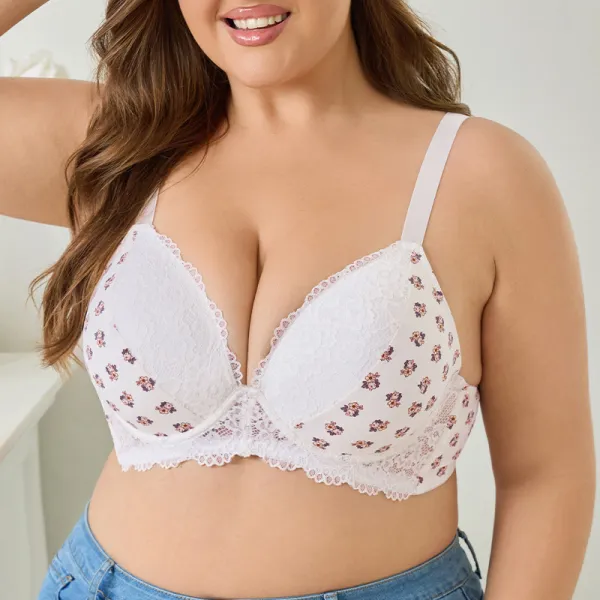
After patterns are finalized, the first physical samples are produced. Seeing a design in three dimensions is always a powerful moment. Sometimes the sample matches the vision perfectly; other times, it reveals issues that were impossible to predict on paper.
Sampling is an iterative process. I may go through three or four sample rounds before approving a design. Adjustments might include fabric weight changes, seam reinforcement, or minor silhouette refinements. This stage is particularly important for items intended for lingerie wholesale, as small flaws can be amplified when produced at scale.
Sampling also helps determine final costing. Labor, materials, and production complexity all affect the wholesale price. Balancing quality with cost is one of the biggest challenges in lingerie design, especially when working with competitive wholesale markets.
Working with Manufacturers and Vendors
Choosing the right manufacturing partners is just as important as the design itself. I work with factories that specialize in lingerie and have experience producing everything from delicate lace bras to high-compression shapewear. Strong relationships with shapewear wholesale vendors are especially valuable, as these products require specialized machinery and expertise.
Communication is key. Clear documentation, regular check-ins, and mutual respect help prevent misunderstandings. I make it a point to visit factories whenever possible, as seeing the production process firsthand provides invaluable insights into how designs can be improved.
Manufacturers also offer practical feedback. They may suggest alternative stitching methods or construction techniques that improve durability without increasing cost. Listening to these suggestions has helped me become a better designer.
Quality Control and Production Scaling
Before full production begins, I implement strict quality control measures. This includes checking fabric consistency, stitching strength, sizing accuracy, and overall finish. For wholesale orders, consistency is crucial. Buyers expect every piece to match the approved sample exactly.
Scaling production introduces new challenges. A design that works beautifully in small batches may encounter issues when produced in larger quantities. This is why pilot runs are essential. They allow potential problems to surface before full-scale manufacturing begins.
Quality control continues even after production. Random inspections and wear tests help ensure that the final products meet both my standards and those of wholesale clients.
Branding, Packaging, and Shelf Readiness
A lingerie product is not complete until it is ready for the shelf. Packaging, labeling, and branding all play a role in how the product is perceived. For lingerie wholesale buyers, clear labeling, accurate size charts, and professional presentation are non-negotiable.
I design packaging that reflects the brand’s identity while remaining practical for retail environments. Tags include fabric details, care instructions, and fit notes—information that helps consumers make confident purchasing decisions.
This stage is also where storytelling comes into play. Buyers and consumers alike want to know the story behind the product. Sharing the design inspiration and craftsmanship adds emotional value that goes beyond function.
Launching into the Wholesale Market
The final step is bringing the product to market. Trade shows, lookbooks, and digital catalogs all play a role in presenting the collection to buyers. When showcasing items like wholesale sports bras or wholesale panties, I emphasize both design and performance.
Feedback from buyers is invaluable. Their insights help shape future collections and identify emerging trends. Some designs may perform better than expected, while others may need refinement or repositioning.
Over time, this feedback loop becomes one of the most powerful tools in the design process. It ensures that each new collection is stronger, more refined, and more aligned with market needs.
Reflection: Growth Through Process
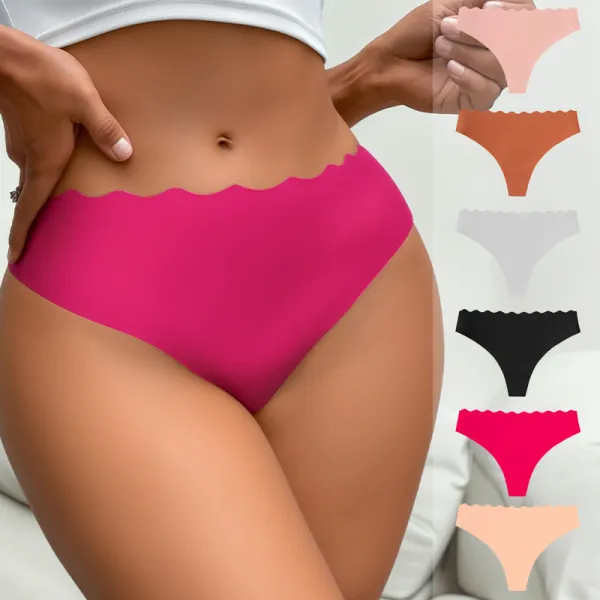
Looking back, my design process has evolved significantly. What began as simple sketches driven by intuition has become a structured yet flexible system informed by experience, collaboration, and continuous learning. Designing lingerie is no longer just about creating beautiful garments—it is about solving problems, empowering wearers, and building products that stand the test of time.
From custom underwear concepts to large-scale lingerie wholesale collections, every step of the journey has taught me something new. The path from sketches to shelf is demanding, but it is also deeply rewarding. Each finished piece represents not just a design, but a story of craftsmanship, iteration, and purpose.
In an industry that continues to evolve, I remain committed to refining my process, listening to real needs, and designing lingerie that truly serves the people who wear it.


Comments
Post a Comment