Wholesale Perfume Buying Guide: Trends and Best Practices for Retailers
The fragrance industry continues to grow globally, driven by rising consumer interest in personal care and the increasing popularity of niche and designer scents. For retailers, this offers tremendous opportunities—but succeeding in the perfume market requires strategic sourcing, understanding current trends, and maintaining strong supplier relationships. This guide provides best practices for wholesale perfume buying, including product selection, inventory management, and pricing strategies.
1. Understanding the Perfume Market Today
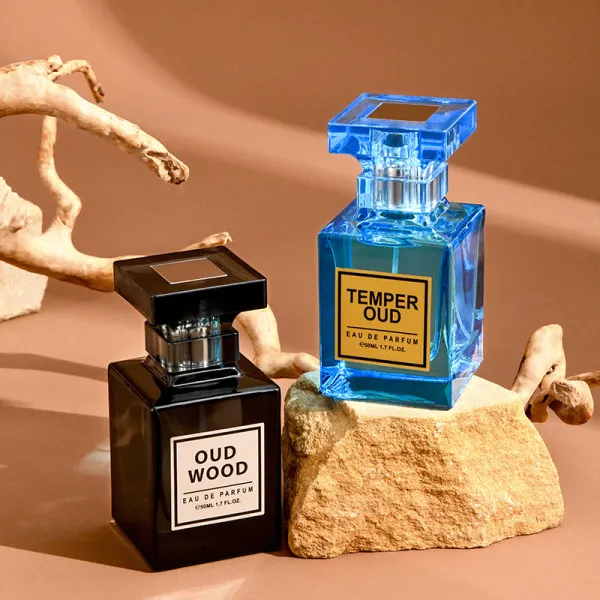
Consumer preferences in fragrances are evolving quickly. Shoppers now seek distinctive scents and premium experiences. Niche perfumes and artisanal options are particularly popular, and retailers can cater to this demand with products like yara perfume wholesale. Additionally, the rise of eco-conscious buyers has created opportunities for sustainable packaging and cruelty-free formulations.
2. Finding Trusted Suppliers
The first step in successful wholesale perfume purchasing is identifying reliable suppliers. Established vendors ensure consistent quality, timely delivery, and genuine products. For example, partnering with a wholesale perfume distributor allows retailers to access a broad range of fragrances without compromising authenticity. Checking credentials, reviews, and industry experience helps avoid counterfeit or low-quality items.
3. Selecting the Right Products
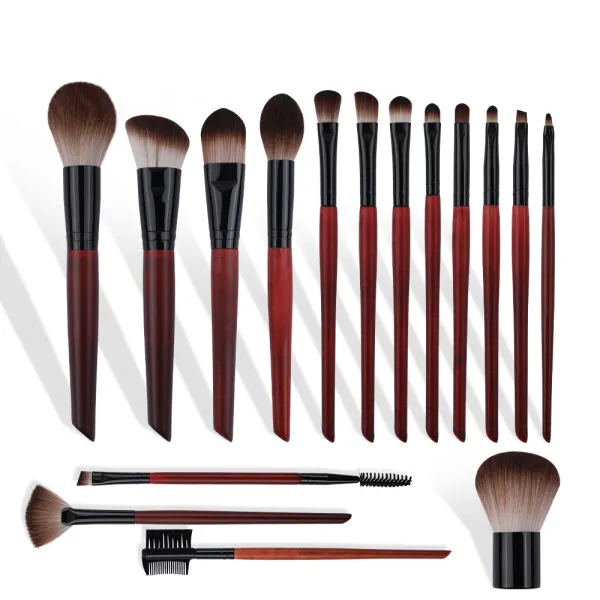
Product selection is critical for both sales and brand reputation. Retailers should curate a mix of high-demand items and niche fragrances. Stocking wholesale men cologne alongside wholesale women's perfume caters to diverse consumer groups. Additionally, including complementary products like wholesale makeup brushes can enhance your store’s offerings.
4. Pricing and Negotiation Strategies
Profitability relies heavily on purchasing costs. Negotiating bulk discounts and flexible payment terms with suppliers can significantly improve margins. Retailers should also clarify shipping, returns, and damage policies. Items like bulk perfume oils often allow for favorable pricing when purchased in larger quantities, providing opportunities to increase profit per sale.
5. Effective Inventory Management
Maintaining the right stock balance is essential to prevent overstock and shortages. Retailers should analyze sales trends to forecast demand and rotate products properly. Items such as mini fragrances wholesale require careful monitoring to avoid expiry. Diversifying suppliers and keeping backup inventory ensures a consistent supply, even during unexpected disruptions.
6. Expanding into Complementary Beauty Products
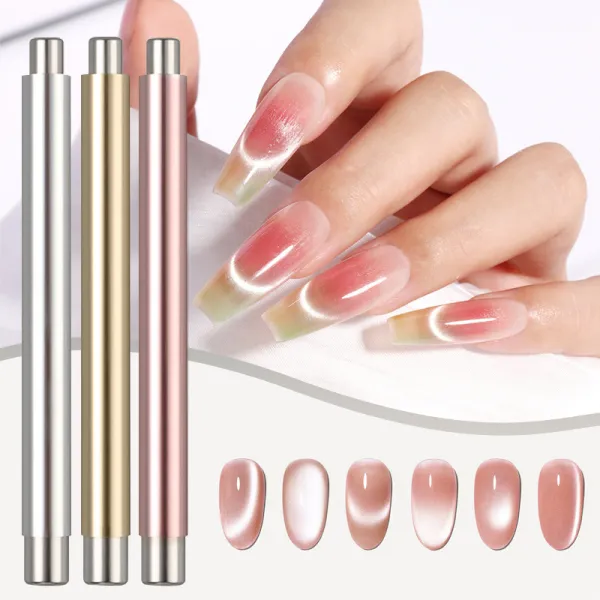
Offering additional beauty items can boost sales and customer engagement. Retailers can include wholesale makeup products such as wholesale lip gloss and pink makeup brush wholesale, or beauty tools like wholesale cosmetic jars. Incorporating hair and nail products, such as wholesale hair extensions or wholesale nail accessories, can create a one-stop shop experience.
7. Risk Management and Quality Control
Retailers face risks including counterfeit products and inconsistent supply. Implementing quality checks for items like bulk men cologne ensures customer satisfaction. Maintaining relationships with multiple suppliers, using contractual agreements, and regularly reviewing product batches minimizes operational and reputational risks.
8. Leveraging Market Trends
Retailers who adapt to trends can gain a competitive edge. Seasonal fragrances, personalized scents using wholesale fragrance oils, and sustainable packaging appeal to modern consumers. Offering niche products alongside staple items, like wholesale perfume, attracts both loyal customers and new shoppers looking for unique experiences.
9. Building Strong Supplier Relationships
Long-term relationships with suppliers lead to better pricing, priority access to new products, and collaboration opportunities. Retailers can benefit from exclusive offers on items such as wholesale hair care products, wholesale nail supplies, or wholesale wigs. Consistent communication and mutual support strengthen the partnership.
10. Practical Tips for Retailers
For those starting or expanding a perfume business, consider the following strategies:
Start small with high-demand fragrances and test the market before large-scale orders.
Track sales and adjust inventory accordingly to reduce overstock.
Cross-sell complementary items like wholesale makeup bags and sunscreen sticks bulk to increase customer purchase value.
Monitor consumer preferences to stay ahead of trends in both fragrance and general beauty products.
11. Case Study Example
A successful retailer combined wholesale perfume with other beauty products like wholesale hair suppliers and wholesale press on nails to create a complete personal care shopping experience. Including bulk perfume oils and diverse offerings like wholesale makeup brushes helped attract a wide customer base, and effective inventory and supplier management ensured smooth operations.
Optimizing wholesale perfume purchasing requires understanding trends, selecting quality products, managing inventory efficiently, and fostering reliable supplier relationships. Retailers who strategically source items such as wholesale men's perfume, wholesale women's perfume, and yara perfume wholesale can maximize sales while building trust and loyalty among customers. By implementing best practices outlined in this guide, retailers can establish a competitive, sustainable presence in the dynamic fragrance market.


Comments
Post a Comment