How to Choose the Best Custom Bag Supplier for Your Brand
Choosing the right supplier for custom bags is one of the most important decisions a brand can make, especially for small businesses or emerging labels looking to strengthen their identity. Bags are no longer just packaging; they are an extension of the brand story, a reflection of its values, and a marketing tool that travels everywhere with the customer. Whether a company plans to offer custom tote bags for everyday use, custom handbags for premium clients, custom backpacks for lifestyle audiences, or even small accessories like custom wallets, the supplier behind these items ultimately shapes the quality, consistency, and impact of the brand. Selecting the wrong partner can lead to delays, poor quality, and inconsistent branding, while choosing the right one can elevate the brand image and ensure long-term success.
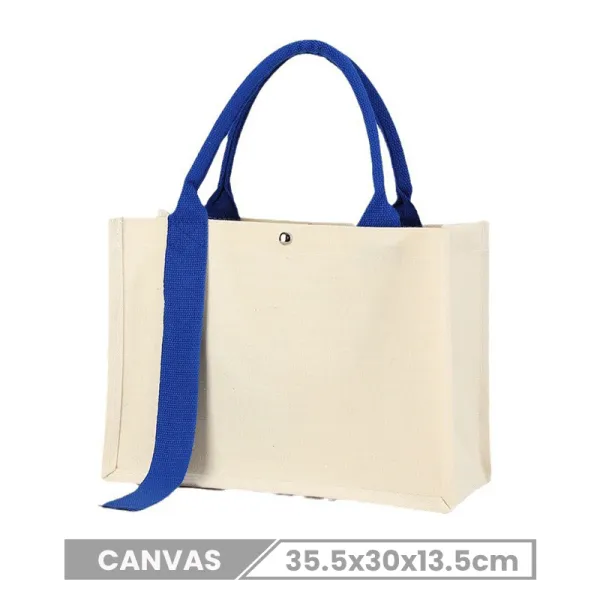
The process begins with understanding your brand’s needs. Every business has a unique identity, target audience, and product strategy, and the supplier must be able to support these demands. A supplier that excels in custom tote bags may not have the same strength in custom duffle bags or custom drawstring bags, so knowing your product focus is essential. For example, a beauty brand that wants elegant packaging may prioritize custom handbags and custom crossbody bags with refined stitching and premium materials. Meanwhile, a fitness-focused company may need durable custom backpacks or custom duffle bags that withstand heavy daily use. Clearly defining what your brand wants to offer will narrow down which suppliers align with your product type, craftsmanship expectations, and overall brand aesthetic.
Quality is one of the most crucial factors when selecting a supplier. The reputation of your brand becomes tied to the durability and feel of the bags you offer. If customers receive custom shopping bags or custom wallets that look attractive but fall apart after a few uses, it hurts the brand’s credibility. On the other hand, well-made bags encourage repeat use, which naturally expands your marketing reach. To assess quality, brands should examine material options, stitching accuracy, print clarity, weight capacity, and finishing details. A reliable supplier will be open about their material sources, show samples of previous work, and offer clear specifications. They should also demonstrate experience with various styles, whether it’s the clean structure of custom handbags or the flexibility required for custom drawstring bags.
Another key consideration is customization capabilities. Not every supplier can achieve the level of detail a brand may want. Some suppliers specialize in screen printing or basic logo placement, while others offer advanced techniques like embroidery, heat transfer, leather embossing, UV printing, and custom hardware. Brands that want bold visual designs for custom backpacks or artistic patterns on custom tote bags must ensure that the supplier has the technology and skill to execute complex prints. Those wanting luxury finishes for custom wallets or custom crossbody bags require suppliers who can work with fine stitching, metal accents, and premium fabrics. The right supplier should not limit your creativity but instead help transform your ideas into beautiful, functional products.
Minimum order quantity (MOQ) is another crucial factor for growing brands. Some suppliers require large orders that small businesses cannot support. High MOQs can lead to financial strain or unnecessary inventory. Choosing a supplier with flexible MOQs gives brands the freedom to experiment with new designs such as seasonal custom handbags, limited-edition custom shopping bags, or promotional custom drawstring bags. Flexibility allows businesses to test the market, evaluate customer responses, and scale up only when necessary. A supplier who understands small business needs and offers manageable MOQs becomes an invaluable partner in long-term growth.
Pricing transparency and cost-effectiveness also matter. Affordable prices alone are not enough; brands must consider whether the supplier offers value for the cost. A bag that is extremely cheap may compromise on material strength, color accuracy, or printing durability. Brands should aim for suppliers that strike a balance between price and quality. This is particularly important for businesses offering a wide range of products, from basic custom tote bags to premium custom crossbody bags and custom duffle bags. Comparing multiple quotes, reviewing sample costs, and asking about hidden fees—such as printing charges, mold fees, or packaging costs—helps avoid unpleasant surprises later.
Reliability and communication are often overlooked but essential factors in choosing a custom bag supplier. A good supplier maintains clear communication, updates clients regularly, and responds quickly to questions. They should be willing to discuss design challenges, production timelines, and material limitations openly. Poor communication can lead to delays, incorrect colors, mismatched logos, or entire batches needing re-manufacturing. When a brand plans major launches featuring custom handbags, custom backpacks, or custom wallets, timely delivery becomes even more important. A reliable supplier helps prevent disruptions and ensures the brand can meet customer expectations.
Production speed and turnaround time are equally important. Some suppliers complete orders quickly but at the cost of quality, while others produce excellent work but require longer timelines. Understanding your brand’s schedule is important for choosing the right partner. Businesses that frequently update designs—such as those offering custom drawstring bags for events or custom shopping bags for seasonal promotions—may prefer a supplier with faster turnaround options. Meanwhile, brands focusing on premium lines of custom handbags or custom duffle bags may prioritize craftsmanship over speed. The ideal supplier is one who can deliver both punctuality and quality without compromising either.
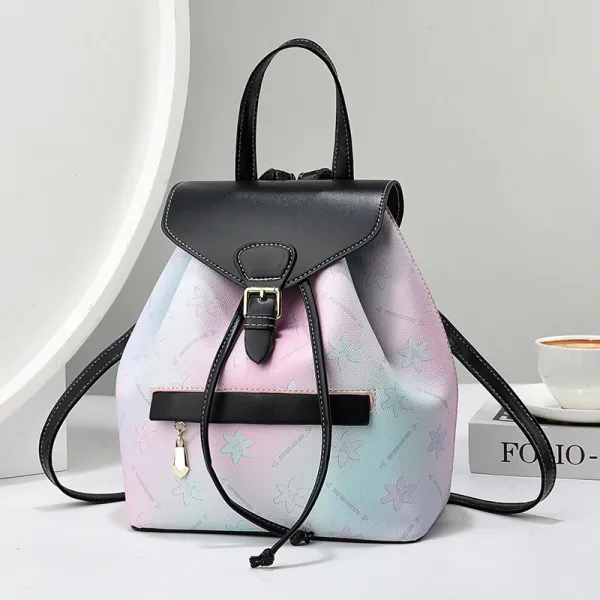
Scalability is another factor that brands should consider early. If your business grows and you suddenly need to produce thousands of custom tote bags or custom backpacks, can your supplier accommodate larger orders? A supplier that can scale production ensures you don’t need to switch partners as your brand expands. Consistency becomes more important over time; the bags from your first order should match the quality, color, and design of the bags produced years later. This consistency supports brand identity and earns customer trust.
Sustainability is a growing priority for modern consumers. Many small and large brands alike are turning toward eco-friendly packaging and reusable products. A supplier offering organic cotton custom tote bags, recycled polyester custom backpacks, biodegradable custom shopping bags, or vegan-leather custom handbags can help brands appeal to environmentally conscious customers. Choosing a supplier with sustainable material options also strengthens the brand image, positioning it as responsible and forward-thinking. If sustainability is part of your brand story, your supplier must align with those values.
Social responsibility and ethical production standards are also worth evaluating. Today’s consumers care about where their products come from and how they are made. A supplier that adheres to fair labor practices, safe working conditions, and ethical sourcing enhances the integrity of the brand. When you sell custom handbags, custom crossbody bags, or luxury-style custom wallets, customers often expect transparency and responsible production. Brands can ask suppliers about certifications, audits, or compliance standards that demonstrate their commitment to ethics.
One of the most revealing steps in choosing a supplier is examining samples. A sample allows the brand to see the actual materials, printing quality, logo placement, and finishing techniques before investing in a large order. Whether you’re ordering simple custom shopping bags or intricate custom duffle bags, samples help confirm that the supplier can deliver what they promise. They also provide an opportunity to test durability, evaluate color accuracy, and ensure the final product aligns with brand expectations. A supplier unwilling to provide samples should be approached with caution, as it may indicate inconsistency or lack of confidence.
Flexibility in design and production is another valuable trait. Some suppliers are rigid with bag styles, colors, or printing methods, which can limit creativity. A supplier who allows custom shapes, custom pocket placements, varied strap designs, or unique textures provides more room for your brand to stand out. This flexibility is particularly meaningful for brands offering custom handbags or custom crossbody bags, where style and identity are closely linked. The ability to develop new silhouettes or themed collections helps brands stay competitive and innovative.
After-sales support is an often-forgotten aspect of choosing a custom bag supplier. Good suppliers maintain relationships rather than ending communication after the order is delivered. They respond to issues, help resolve defects, and provide guidance for future orders. When brands offer custom backpacks or custom wallets as part of loyalty programs or promotional packages, receiving flawed items can disrupt schedules and affect customer satisfaction. A supplier with reliable after-sales support helps protect the brand from these risks.
Reputation is another important factor. Brands can research supplier reviews, testimonials, and social media feedback to understand how they perform. Established suppliers with positive reviews are more likely to provide consistent quality and reliable service. Checking how long the supplier has been in business, what types of brands they work with, and whether they have experience producing custom drawstring bags, custom shopping bags, or custom duffle bags can provide valuable insights.
Location may also influence your decision. Local suppliers often provide faster communication and shipping, while overseas suppliers may offer lower costs and more diverse production options. Brands must weigh the advantages of each. If you prioritize fast restocking for products like custom tote bags or custom a crossbody bags, a supplier closer to your region may be ideal. If your focus is large-scale production of custom backpacks or custom handbags at competitive prices, overseas manufacturing may offer better value.
Consistency in color matching and branding accuracy is essential, especially as your product line expands. The color of your logo, the printing shade on a custom wallet, and the tone of the material on custom tote bags should match across every batch. Inconsistent colors can weaken brand identity and look unprofessional. A good supplier will have strict quality control processes and use advanced printing equipment to ensure precise color matching.
Finally, the best supplier is one who becomes a partner rather than just a vendor. They understand your brand vision, support your creativity, and grow with your business. When your brand evolves—from offering simple custom shopping bags to introducing premium custom handbags or travel-ready custom duffle bags—the right supplier will adapt with you. They will provide honest advice, suggest better materials, offer more efficient production methods, and help refine your designs over time.
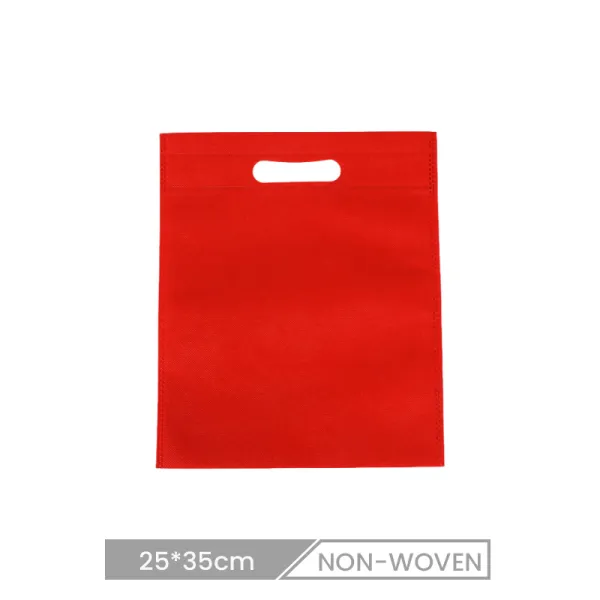
Choosing the best custom bag supplier for your brand is a long-term investment. The right partner ensures quality, consistency, and customer satisfaction. They help transform your ideas into products customers love—whether those products are custom tote bags for everyday use, stylish custom crossbody bags for fashion lovers, durable custom backpacks for active lifestyles, or thoughtful custom wallets that become daily essentials. With the right supplier, your brand gains not just bags, but powerful marketing tools that strengthen your identity, expand your reach, and support your growth for years to come.


Comments
Post a Comment