The Retailer’s Roadmap: Building Your Fashion Empire with Custom Label Services
The global fashion industry is evolving faster than ever before. Consumer expectations have shifted dramatically, driven by social media, e-commerce, personalization, and a growing demand for unique brand experiences. Retailers that once relied solely on reselling mass-produced products are now seeking ways to establish stronger identities, improve customer loyalty, and increase profitability.
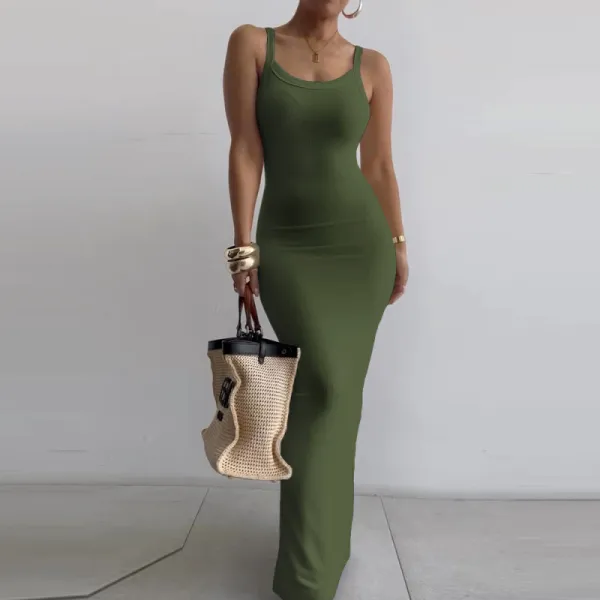
This transformation has made custom labeling one of the most powerful strategies in modern fashion retail. Through personalized branding, exclusive collections, and tailored customer experiences, businesses can move beyond being simple stores and become recognizable fashion empires.
Today, many successful entrepreneurs are leveraging custom label apparel solutions to create scalable businesses with long-term growth potential. From inclusive fashion and activewear to accessories and premium denim, custom labeling enables retailers to build cohesive product ecosystems that reflect their unique vision.
This article explores how retailers can use custom label services to establish strong brands, scale strategically, and thrive in the highly competitive fashion marketplace of 2026 and beyond.
Understanding Custom Label Services
Custom labeling refers to the process of creating products under your own brand identity. Instead of selling generic wholesale items, retailers customize apparel, packaging, labels, and branding elements to create exclusive collections.
What Custom Labeling Includes
Custom label services may involve:
- Brand logos and tags
- Personalized packaging
- Customized product designs
- Fabric and color selection
- Private label manufacturing
- Marketing and branding support
By controlling these elements, retailers can create distinctive identities that customers recognize and trust.
Why Retailers Are Turning to Custom Branding
Differentiation in a Crowded Market
The online fashion market is saturated with businesses selling similar products. Without branding, retailers often compete solely on price, which reduces profit margins and limits customer loyalty.
Custom branding helps businesses stand out by offering:
- Unique products
- Exclusive collections
- Consistent visual identity
- Stronger emotional connection with customers
Higher Profit Margins
Branded products generally command higher prices than generic alternatives. Customers are willing to pay more for products that feel exclusive and align with their personal style or values.
Long-Term Customer Loyalty
A memorable brand creates trust and familiarity. When customers consistently receive quality products and positive experiences, they are more likely to return and recommend the brand to others.
Building the Foundation of Your Fashion Empire
Define Your Brand Identity
Every successful fashion empire begins with a clear identity. Retailers should define:
- Target audience
- Brand mission
- Core values
- Visual aesthetics
- Pricing strategy
Consistency across all customer touchpoints strengthens brand recognition and credibility.
Choose the Right Product Categories
A strategic product mix allows retailers to attract wider audiences while maintaining a cohesive brand identity.
Inclusive Fashion as a Growth Opportunity
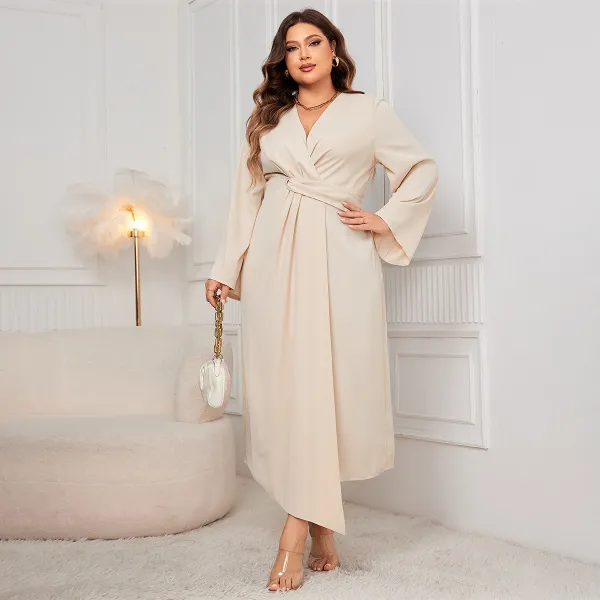
Inclusivity is no longer optional in modern fashion. Consumers expect brands to represent diverse body types and lifestyles. Offering custom plus size clothing allows retailers to expand their customer base while promoting body positivity and accessibility.
Brands that prioritize inclusivity often develop stronger emotional relationships with their audiences and gain competitive advantages in underserved markets.
Occasion Wear and Premium Collections
Special occasion apparel offers strong profit potential because of its emotional and social significance. Products like custom dresses enable retailers to create elegant collections for weddings, parties, proms, and formal events.
Premium occasion wear also strengthens brand positioning and creates opportunities for influencer marketing and social media visibility.
Expanding Into Swimwear Markets
Seasonal apparel categories can significantly increase revenue opportunities. By offering custom swimwear, retailers can capitalize on vacation, resort, and summer fashion trends.
Customized swimwear collections allow businesses to focus on:
- Inclusive sizing
- Trend-driven prints
- Personalized branding
- Premium packaging
This category performs especially well on visually driven platforms like Instagram and TikTok.
Building Customer Trust Through Intimate Apparel
The intimate apparel market has shifted toward comfort, inclusivity, and personalization. Offering custom lingerie enables retailers to create products that prioritize both functionality and aesthetics.
Lingerie customers often become highly loyal when brands consistently deliver comfort, fit, and quality.
Tapping Into the Athleisure Boom
Athleisure remains one of the most influential trends in global fashion. Consumers increasingly want apparel that combines style, comfort, and functionality.
Launching custom sportswear collections allows retailers to appeal to health-conscious and fashion-focused audiences simultaneously.
Brand identity plays a major role in sportswear because consumers often associate activewear brands with lifestyle aspirations and personal motivation.
Coordinated Fashion for Modern Consumers
Matching sets have become highly popular because they simplify styling while maintaining a polished appearance. Offering custom women's sets helps retailers create cohesive collections that appeal to consumers seeking convenience and modern aesthetics.
These coordinated outfits are especially effective for:
- Travel fashion
- Loungewear
- Influencer-driven styling
- Seasonal collections
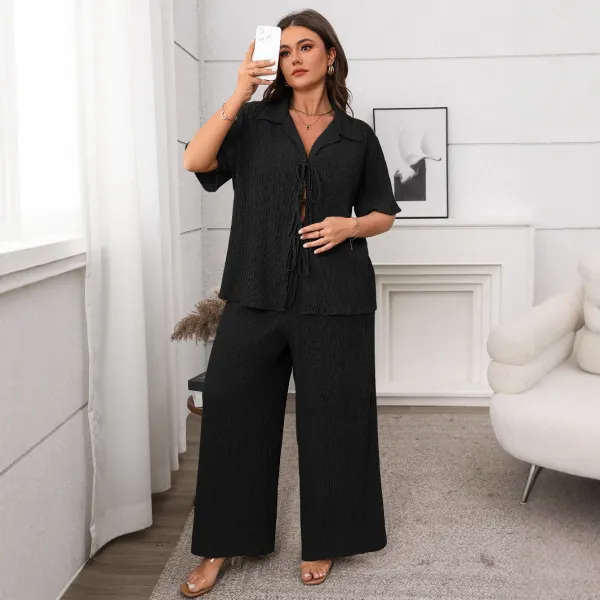
Accessories as Branding Tools
Accessories provide excellent opportunities to increase average order value while reinforcing brand identity. Smaller products are affordable, easy to market, and highly customizable.
For example, custom socks can function as both practical essentials and branded merchandise.
Custom accessories also work well for promotional campaigns, loyalty rewards, and limited-edition collaborations.
Denim as a Long-Term Investment Category
Denim remains one of the most stable and profitable apparel categories in fashion. Offering custom jeans enables retailers to focus on personalized fit, premium materials, and signature styling details.
Consumers are often willing to invest in jeans that combine comfort, durability, and individuality. Strong branding further increases perceived value in this category.
The Importance of Packaging and Presentation
Custom labeling extends beyond products themselves. Packaging significantly influences customer perception and overall experience.
Creating a Memorable Unboxing Experience
Premium packaging helps retailers:
- Increase perceived value
- Encourage social sharing
- Strengthen brand identity
- Improve customer satisfaction
Elements such as branded boxes, tissue paper, thank-you cards, and sustainable materials contribute to a premium presentation.
Marketing Strategies for Fashion Empire Growth
Social Media Branding
Social media platforms are essential for fashion businesses because they allow retailers to showcase products visually and build communities around their brands.
Effective content includes:
- Styling tutorials
- Product showcases
- Influencer collaborations
- Customer testimonials
- Behind-the-scenes production videos
Consistency in visual identity and messaging is crucial for long-term success.
Influencer Partnerships
Influencers provide social proof and expand brand visibility. Collaborating with creators who align with your target audience can significantly increase awareness and credibility.
Micro-influencers are particularly effective because they often maintain highly engaged communities.
SEO and Content Marketing
Search engine optimization remains one of the most effective long-term growth strategies for online retailers. Publishing high-quality fashion content improves search visibility and establishes authority.
SEO-focused blog topics may include:
- Styling advice
- Fashion trends
- Product care guides
- Seasonal inspiration
- Sustainability education
Content marketing helps attract organic traffic and support e-commerce growth.
Email Marketing and Customer Retention
Email campaigns help brands maintain relationships with customers and increase repeat purchases. Businesses can use email marketing to:
- Announce new collections
- Share promotions
- Provide personalized recommendations
- Re-engage inactive customers
Strong customer retention strategies improve profitability and brand loyalty.
Building Emotional Connections Through Storytelling
Modern consumers prefer brands with authentic values and meaningful stories. Successful retailers communicate:
- Their mission and vision
- Sustainability efforts
- Design inspiration
- Community involvement
- Customer success stories
Storytelling humanizes brands and creates stronger emotional connections with audiences.
Challenges of Scaling a Fashion Brand
Maintaining Brand Consistency
As businesses grow, maintaining consistent quality and messaging becomes increasingly important. Retailers should establish clear branding guidelines and quality control systems.
Inventory Management
Balancing supply and demand is essential for profitability. Data analytics and trend forecasting help retailers optimize inventory levels.
Production Costs
Custom labeling often requires higher upfront investments than generic wholesale sourcing. However, stronger branding and customer loyalty typically result in higher long-term profitability.
Future Trends in Custom Fashion Retail
Sustainability and Ethical Production
Consumers increasingly expect brands to prioritize sustainability. Eco-friendly fabrics, ethical manufacturing, and recyclable packaging will continue shaping the future of fashion retail.
Technology and Personalization
AI-powered recommendations, virtual fitting rooms, and customization tools will enhance shopping experiences and improve customer satisfaction.
Hyper-Personalized Fashion
Future consumers will expect greater personalization in both products and experiences, from customized fits to tailored marketing communication.
Global Expansion Through E-Commerce
Cross-border e-commerce enables retailers to scale internationally faster than ever before. Strong branding and custom labeling will be critical for standing out in global markets.
Building a successful fashion empire requires more than selling clothing—it requires creating a recognizable identity, delivering exceptional experiences, and building emotional connections with customers.
Through custom labeling, retailers can transform generic product offerings into cohesive, premium collections that reflect their vision and values. From inclusive apparel and occasion wear to swimwear, lingerie, sportswear, coordinated sets, accessories, and denim, branding strengthens every aspect of the customer journey.
Businesses that embrace custom label apparel strategies effectively will gain stronger customer loyalty, higher profit margins, and long-term scalability.
In 2026 and beyond, the retailers that dominate the fashion industry will not simply follow trends—they will build brands powerful enough to shape the future of fashion itself.


Comments
Post a Comment