Beyond the Basics: Why Your Store Needs Custom-Branded Denim to Stand Out in 2026
In the hyper-competitive retail landscape of 2026, the era of the "generic reseller" is officially coming to a close. As global marketplaces become increasingly crowded, the stores that thrive are not necessarily those with the lowest prices, but those that have successfully curated an exclusive brand identity. Nowhere is this shift more evident than in the denim category. Denim is the foundational canvas of the modern wardrobe, yet because it is so ubiquitous, it is also the easiest category for retailers to fall into the "commodity trap"—where their inventory is indistinguishable from that of a thousand other online boutiques.
To break free from this trap, retailers must evolve. They must move beyond purchasing unbranded, off-the-shelf inventory and embrace the power of custom-branded denim. This article outlines why private-label and custom-designed denim is the definitive strategy for retail survival and growth in 2026, and how you can implement this strategy across your entire product line.
1. The Death of the Generic Reseller
When a customer can find the exact same pair of jeans on five different websites, the retailer has lost all leverage. The interaction becomes a transaction based solely on price, shipping speed, or discount codes. This "race to the bottom" erodes profit margins and makes it impossible to build a loyal customer base.
Custom branding solves this by injecting "exclusivity" into your inventory. When a customer wears a pair of jeans that features your store's custom leather patch, your unique branded rivets, and a fit profile that has been tailored to your boutique’s specific aesthetic, they aren't just wearing "a pair of jeans." They are wearing your brand. This psychological shift is what transforms a one-time purchaser into a brand advocate.
2. Defining Your "House Fit" and Aesthetic
One of the most significant advantages of moving toward
By working with manufacturers to define a proprietary fit profile, you create a standard of consistency that customers learn to trust. When a customer knows that your "Signature Fit" will always land perfectly on their waist and hips, they will stop searching for other brands. They will return to your store because you have solved the "denim dilemma"—the anxiety of buying jeans online without trying them on. This level of trust is a powerful asset that generic resellers can never replicate.
3. A Holistic Approach to Branding: Beyond Trousers
Custom branding should not be confined to just your core jean collection. A truly cohesive brand experience requires you to apply your visual identity across your entire denim pipeline.
The Outerwear Statement
A denim jacket is an "anchor piece" that sits at the center of an outfit. Working with professional
Seasonal Agility with Branded Shorts
Retailers often treat shorts as an afterthought, stocking generic items to fill a seasonal gap. However, by treating your
4. Addressing Every Demographic with Custom Care
The beauty of the 2026 wholesale landscape is that customization is no longer reserved for large-scale enterprise fashion houses. Small-to-mid-sized retailers can now access tiered customization services for every demographic segment.
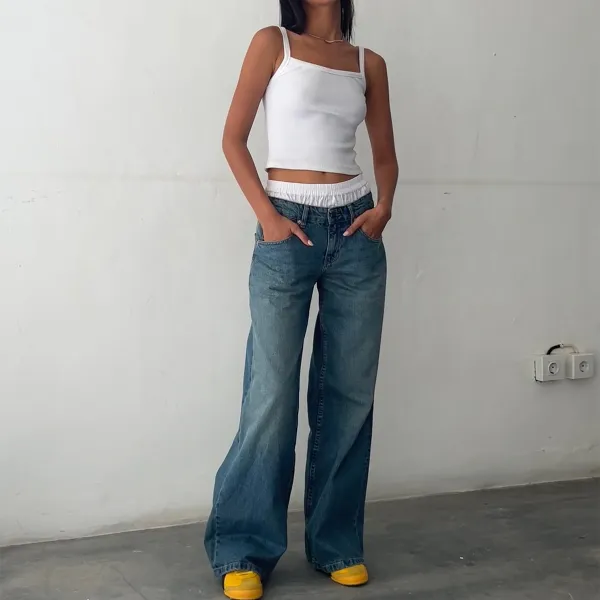
Women’s Collections: Use custom-branding to highlight "sculptural" features like specialized stitching or unique wash profiles that define your store's style. If you are sourcing
wholesale clothing jeans
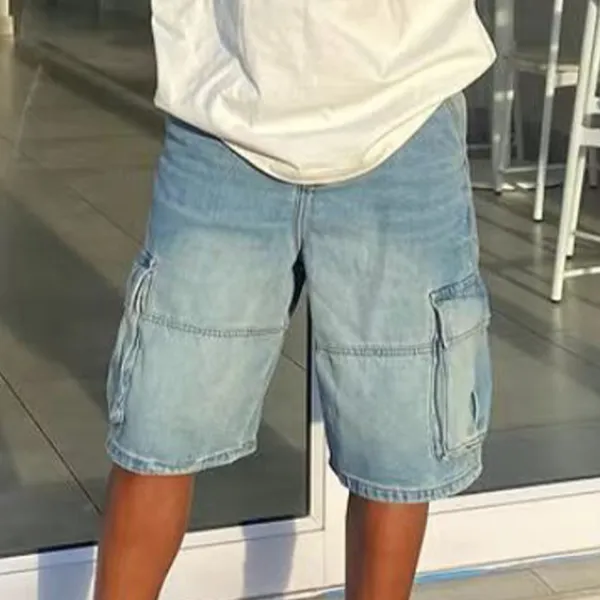
Men’s Utility: Men’s denim is all about functional luxury. Use custom rivets and reinforced pocket detailing to lean into a "workwear-meets-streetwear" aesthetic that resonates with today’s
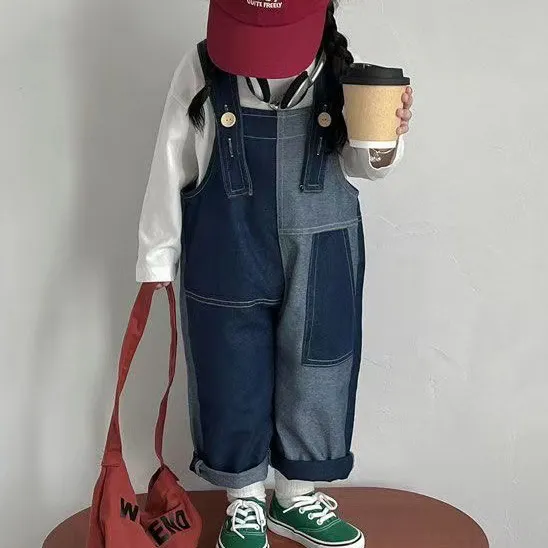
wholesale clothing mens jeans Kids' Wear: Parents appreciate branding that signals quality and safety. Custom tags that feature organic cotton labels or "child-safe" certifications reinforce the trust that is essential when selling
wholesale kids jeans
5. The Operational Blueprint: How to Implement Customization
Transitioning to custom-branded denim might seem daunting, but it is manageable when broken down into a strategic operational plan.
Step 1: The "Test and React" Phase
Before you commit to a full line of custom-branded denim, use a "test and react" phase. Order small, branded batches of a "Hero Product." This could be a single silhouette of jeans or a classic denim jacket. Collect data on how customers interact with the branding. Do they comment on the quality? Do they mention the unique fit? This data will guide your larger custom investments.
Step 2: Consolidate Your Supply Chain
The biggest mistake retailers make when implementing custom branding is working with too many different suppliers. If you are ordering jeans from one factory and jackets from another, you will struggle to get a consistent look for your branding (e.g., matching the leather patch color or the rivet finish). Consolidate your procurement through a single, vetted wholesale platform that can handle custom branding across all denim categories. This ensures your brand identity is uniform across everything you sell.
Step 3: Integrate Branding into Your Marketing Story
Your marketing should not just be about "what" you are selling, but "why" you created it. Tell the story of your custom denim. Show the behind-the-scenes process of choosing your specific wash or your specific fit. When you explain the design choices, you transform the customer's purchase from a commodity buy into an investment in your boutique's vision.
6. The Economics of Customization: Higher Margins, Lower Returns
While the initial cost of custom branding (such as mold fees for rivets or design time for labels) may be slightly higher than purchasing off-the-shelf stock, the ROI is significantly greater over the long term.
Increased Price Elasticity: Because your product is exclusive, you are no longer constrained by the price points of your competitors. Customers are willing to pay a premium for a "Signature Fit" that they cannot find elsewhere.
Reduced Return Rates: By focusing on proprietary fits and sizing consistency, you solve the number one friction point in online fashion retail.
Customer Lifetime Value (CLV): When you provide a consistently high-quality, branded product, you turn customers into fans who return to your store for their next denim purchase, rather than scouting for the next discount code.
7. Looking Ahead: The Future of Branded Retail
In 2026, the brands that succeed are the ones that act like publishers. They don't just sell goods; they sell a point of view. Custom-branded denim is the primary physical manifestation of that point of view. It serves as a constant reminder to your customer of who you are and why they chose your store.
The technology for customization has matured significantly. Laser-engraved patches, low-MOQ custom weaving, and advanced fabric finishing are now accessible to independent retailers. The barrier to entry has vanished; the only thing standing between you and a custom-branded denim empire is the decision to stop being a reseller and start being a creator.
8. Your Brand, Your Denim
Your store needs to be more than just a destination for denim—it needs to be a destination for your denim. The "basics" are no longer enough to satisfy a customer base that has been conditioned to expect a high-identity, cohesive brand experience.
By taking control of the branding process—from the fit to the finishes—you shift the power dynamic in your favor. You stop chasing trends and start setting them. You stop competing on price and start competing on value. Start your custom-branding journey today. Select your core silhouettes, identify the design elements that define your store, and work with your wholesale partners to craft a denim collection that is undeniably yours. The market is ready for brands with a vision; make sure yours is the one they remember.


Comments
Post a Comment