How to Start a Profitable Cosmetics and Perfume Wholesale Business from Scratch
The Booming Landscape of Beauty and Fragrance Commerce
The global beauty, cosmetics, and fragrance industry represents one of the most dynamic, resilient, and economically lucrative sectors in modern commerce. As consumer interest in personal wellness, self-care rituals, and individual expression continues to accelerate, the demand for high-quality retail merchandise has reached unprecedented heights. For ambitious entrepreneurs and retail visionaries, launching a wholesale business in this niche offers a powerful pathway to scalable revenue, long-term brand equity, and enduring market relevance.
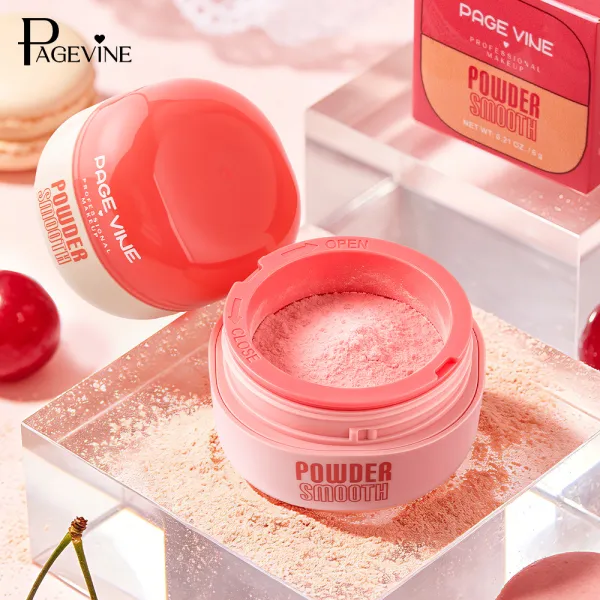
However, transitioning from an ambitious newcomer to an established wholesale distributor requires much more than enthusiasm. It demands a meticulous, strategic blueprint covering market research, legal compliance, supply chain engineering, digital marketing, and robust customer relationship management. Whether you intend to supply independent boutique storefronts, regional retail chains, or fast-growing e-commerce stores, establishing a reliable sourcing foundation through specialized B2B platforms like
This comprehensive, long-form guide explores the step-by-step roadmap for building a profitable cosmetics and fragrance wholesale business entirely from scratch. From initial capital planning and legal registration to product selection, inventory management, and digital distribution strategies, this blueprint provides everything you need to dominate the competitive beauty wholesale market.
Phase 1: Market Research, Niche Identification, and Business Planning
Every successful wholesale venture begins with rigorous, data-driven market research. Before committing capital to inventory or warehouse leases, you must clearly define your target market, analyze existing competitor gaps, and carve out a distinct value proposition that separates your business from generic distributors.
1. Defining Your Core Target Audience
In the wholesale ecosystem, your direct customers are not individual end-consumers; rather, they are retail buyers, salon owners, boutique operators, and independent online sellers. Understanding their specific pain points is vital. Boutique owners, for example, typically struggle with high minimum order quantities (MOQs) imposed by traditional manufacturers, inconsistent product quality, and unpredictable shipping delays. By positioning your wholesale enterprise as a flexible, reliable, and transparent partner, you can capture significant market share from rigid legacy suppliers.
2. Identifying High-Margin Product Categories
To maximize profitability, your initial catalog should focus on high-velocity, high-margin categories that enjoy sustained consumer demand. Diversifying your offerings across cosmetics, fine fragrances, hair enhancements, and professional accessories ensures your business remains resilient against seasonal fluctuations. Key categories to prioritize include:
Color Cosmetics & Lip Products: Trendy everyday essentials that drive frequent repeat orders.
Fine Fragrances & Oils: High-perceived-value items with exceptional profit margins.
Hair Extensions & Protective Styling Goods: Premium ticket items favored by salon professionals.
Beauty Accessories & Packaging: Essential cross-sell items that elevate average order values (AOVs).
3. Crafting a Comprehensive Business Plan
A professional business plan serves as your operational compass and is indispensable if you intend to seek external funding, business loans, or commercial credit lines. Your plan should articulate your executive summary, target market analysis, financial projections for the first three to five years, pricing strategies, and detailed logistics workflows.
Phase 2: Legal Foundations, Licensing, and Corporate Structure
Operating a wholesale beauty and fragrance business involves strict regulatory adherence, particularly because cosmetics and personal care items interact directly with the human body. Establishing legal legitimacy from day one protects your personal assets and builds vital trust with manufacturers and retail clients.
1. Choosing the Right Legal Entity
Consult with a qualified accountant or corporate attorney to establish an appropriate business structure, such as a Limited Liability Company (LLC) or a Corporation. An LLC provides essential liability protection, shielding your personal assets from potential commercial liabilities, product liability claims, or contractual disputes.
2. Obtaining Federal and State Licenses
Depending on your operational jurisdiction, you will need to acquire specific commercial documentation:
Employer Identification Number (EIN): Essential for opening business bank accounts, hiring employees, and filing corporate taxes.
Sales Tax Permit / Resale Certificate: Crucial for a wholesaler, as a resale certificate allows you to purchase goods from manufacturers and upstream suppliers without paying retail sales tax, preventing double taxation.
Cosmetic Manufacturer and Distributor Registrations: Depending on whether you are merely distributing or engaging in private-label packaging, you may need to register your facility with relevant health and regulatory bodies to ensure adherence to safety and labeling standards.
3. Securing Commercial Insurance
Because beauty products, perfumes, and personal care formulations are applied directly to skin and hair, comprehensive commercial liability insurance is non-negotiable. Product liability insurance safeguards your business against unforeseen allergic reactions, formulation defects, or supply chain liabilities, ensuring your enterprise remains solvent under all circumstances.
Phase 3: Sourcing Strategy and Partnering with Reliable Manufacturers
The heartbeat of any wholesale business is its supply chain. Your reputation hinges entirely on the quality, consistency, and safety of the products you distribute to retail buyers. Sourcing substandard items to save on initial costs will quickly destroy your brand credibility and result in devastating chargebacks and client churn.
1. Vetting Global Manufacturers and B2B Platforms
When sourcing inventory, you must forge alliances with manufacturers who maintain rigorous quality control standards, transparent manufacturing practices, and ethical labor policies. Establishing procurement pipelines through established wholesale channels like
2. Diversifying Across Essential Beauty Pillars
To build a compelling catalog that retail buyers cannot resist, your inventory should span several key product verticals:
Fragrance and Scent Innovations
The scent market extends far beyond traditional bottled sprays. Modern consumers and boutique owners actively seek out versatile, concentrated aromatic solutions for personal wellness and home ambiance. Partnering with vendors specializing in
Additionally, catering to distinct demographic segments ensures comprehensive market coverage. Sourcing robust collections of masculine grooming formulas through dedicated
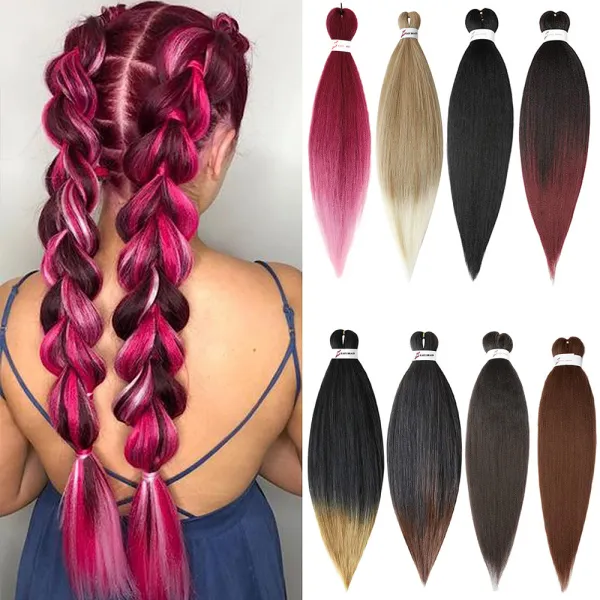
Hair Extensions, Braiding, and Professional Supplies
The hair enhancement sector represents some of the most lucrative margins in the entire beauty industry. Salon professionals and specialty beauty supply stores demand uncompromising quality in hair texture, longevity, and ethical sourcing.
Extension Hair: Stocking 100% Remy human hair through trusted providers of
extension hair wholesale Protective Braiding Fibers: With the cultural renaissance of knotless braids and locs, maintaining steady inventory from
human hair for braiding bulk Ready-to-Wear Units: Sourcing premium pre-plucked lace units and ready-to-style options from
bulk wigs Professional Tools: Cross-merchandising high-performance appliances and salon equipment sourced via
wholesale haircare tools
Cosmetics, Packaging, and Accessories
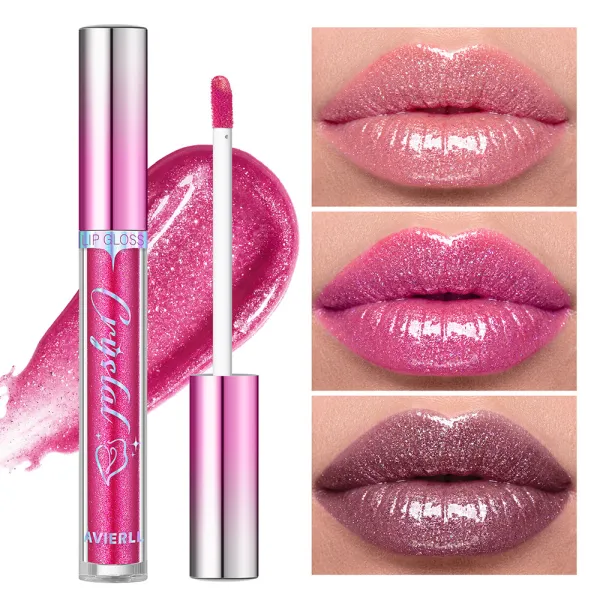
Color cosmetics and daily beauty essentials require careful attention to pigmentation, texture, and visual appeal. Stocking trendy, high-shine lip formulations from verified
Furthermore, presentation and organization are paramount in the beauty industry. Offering functional travel pouches and storage solutions acquired through
Phase 4: Establishing Your Operational Infrastructure and Fulfillment
Once your legal framework is established and your manufacturing partnerships are secured, you must design a seamless operational infrastructure to manage inventory storage, order processing, and shipping logistics.
1. Warehouse Setup vs. Third-Party Logistics (3PL)
In the early stages of your wholesale business, you may choose to operate out of a small commercial garage or micro-warehouse to keep overhead costs low. However, as order volumes scale, partnering with a professional Third-Party Logistics (3PL) provider can dramatically streamline your operations. 3PL partners handle pick-and-pack services, inventory tracking, freight forwarding, and returns processing with professional accuracy.
2. Implementing B2B Inventory Management Software
Wholesale inventory management is vastly different from direct-to-consumer retail. You must manage bulk carton quantities, pallet tracking, tiered pricing structures, and minimum order thresholds. Investing in robust Enterprise Resource Planning (ERP) or B2B inventory software ensures real-time stock visibility across all sales channels, preventing overselling and reducing carrying costs.
Phase 5: Pricing Strategy, Profit Margins, and Financial Management
Pricing in the wholesale sector requires a delicate balance. Your prices must be attractive enough to allow your retail buyers to mark up the products by 100% to 200% (standard retail margin) while still leaving your business with a healthy gross profit margin (typically 30% to 50% for wholesalers).
1. Tiered Pricing Models
To incentivize larger purchase volumes and accelerate cash flow, implement a tiered wholesale pricing structure:
Tier 1 (Minimum Order): Standard wholesale price for boutique accounts meeting your baseline MOQ.
Tier 2 (Volume Discount): A 10% to 15% discount for mid-tier accounts purchasing by the master carton or pallet.
Tier 3 (Distributor / Enterprise): Highly competitive custom pricing negotiated for regional retail chains or large-scale e-commerce operators.
2. Managing Cash Flow and Payment Terms
Cash flow is the lifeblood of wholesale distribution. Manufacturers often require upfront deposits (e.g., 30% down, 70% upon completion before shipping), while retail buyers frequently request Net 30 or Net 60 payment terms. This timing gap can severely strain your working capital. Mitigate this risk by utilizing credit-checking services for new retail clients, offering early-payment cash discounts (e.g., 2/10 Net 30), and leveraging business lines of credit or factoring services when necessary.
Phase 6: Digital Marketing, B2B E-Commerce, and Client Acquisition
Gone are the days when a wholesale business could rely solely on cold calling and printed trade catalogs. Modern retail buyers discover, vet, and onboard new wholesale suppliers primarily through digital channels. Building a powerful, professional digital footprint is essential for sustained growth.
1. Building a High-Converting B2B E-Commerce Website
Your website should function as a secure, frictionless B2B portal. Unlike consumer-facing e-commerce sites, a wholesale portal should require user account verification (requiring retail license uploads) before displaying wholesale pricing and allowing order placement. Ensure your site features high-resolution product imagery, detailed ingredient specifications, safety data sheets (SDS), clear MOQ indicators, and straightforward bulk checkout mechanisms.
2. Search Engine Optimization (SEO) and Content Marketing
To capture retail buyers actively searching for wholesale partners, invest in targeted SEO strategies. Publish comprehensive, authority-building blog posts, sourcing checklists, and industry trend reports that address the specific challenges faced by boutique owners and salon managers. By ranking for high-intent B2B search queries, you will attract organic, inbound traffic that converts at a significantly higher rate than paid advertising.
3. Trade Shows, Industry Networking, and Direct Outreach
While digital marketing is powerful, the beauty and fragrance industry remains deeply tactile and relationship-driven. Attending premier international trade shows (such as Cosmoprof, Beautyworld, and regional boutique expos) allows you to showcase physical product samples, interact face-to-face with prospective retail buyers, and secure lucrative distribution agreements that endure for years.
Phase 7: Scaling, Quality Control, and Long-Term Sustainability
As your wholesale business gains traction, maintaining operational excellence and rigorous quality control becomes paramount. Rapid scaling without robust quality assurance can lead to damaged shipments, dissatisfied retail clients, and fractured manufacturer relationships.
1. Implementing Strict Quality Control Checkpoints
Establish mandatory inspection protocols at every transfer point in your supply chain. Conduct random batch testing upon receiving goods from manufacturers to verify color accuracy, scent longevity, packaging integrity, and safety compliance. Catching a defect in your warehouse is infinitely less costly than having a retail partner return an entire shipment of compromised cosmetics or perfumes.
2. Cultivating Long-Term Vendor and Client Partnerships
The ultimate differentiator in a crowded wholesale market is the strength of your relationships. Treat your manufacturers as strategic partners rather than transactional vendors, and treat your retail buyers as valued collaborators whose success directly fuels your own. Offering exceptional customer service, flexible dispute resolution, and reliable, on-time fulfillment transforms casual buyers into lifelong brand advocates.
Starting a profitable cosmetics and perfume wholesale business from scratch is an exhilarating entrepreneurial journey that combines creative passion with rigorous commercial strategy. By meticulously researching your target markets, establishing bulletproof legal and operational foundations, forging strategic partnerships with elite manufacturers, and executing modern digital marketing campaigns, you can build a resilient and highly lucrative distribution enterprise.
As the beauty and wellness landscape continues to evolve in the coming years, agility, quality discernment, and unwavering commitment to client success will remain your most powerful competitive advantages. Step into the wholesale arena with confidence, clarity, and an uncompromising dedication to excellence, and watch your business flourish in one of the world's most vibrant industries.


Comments
Post a Comment